
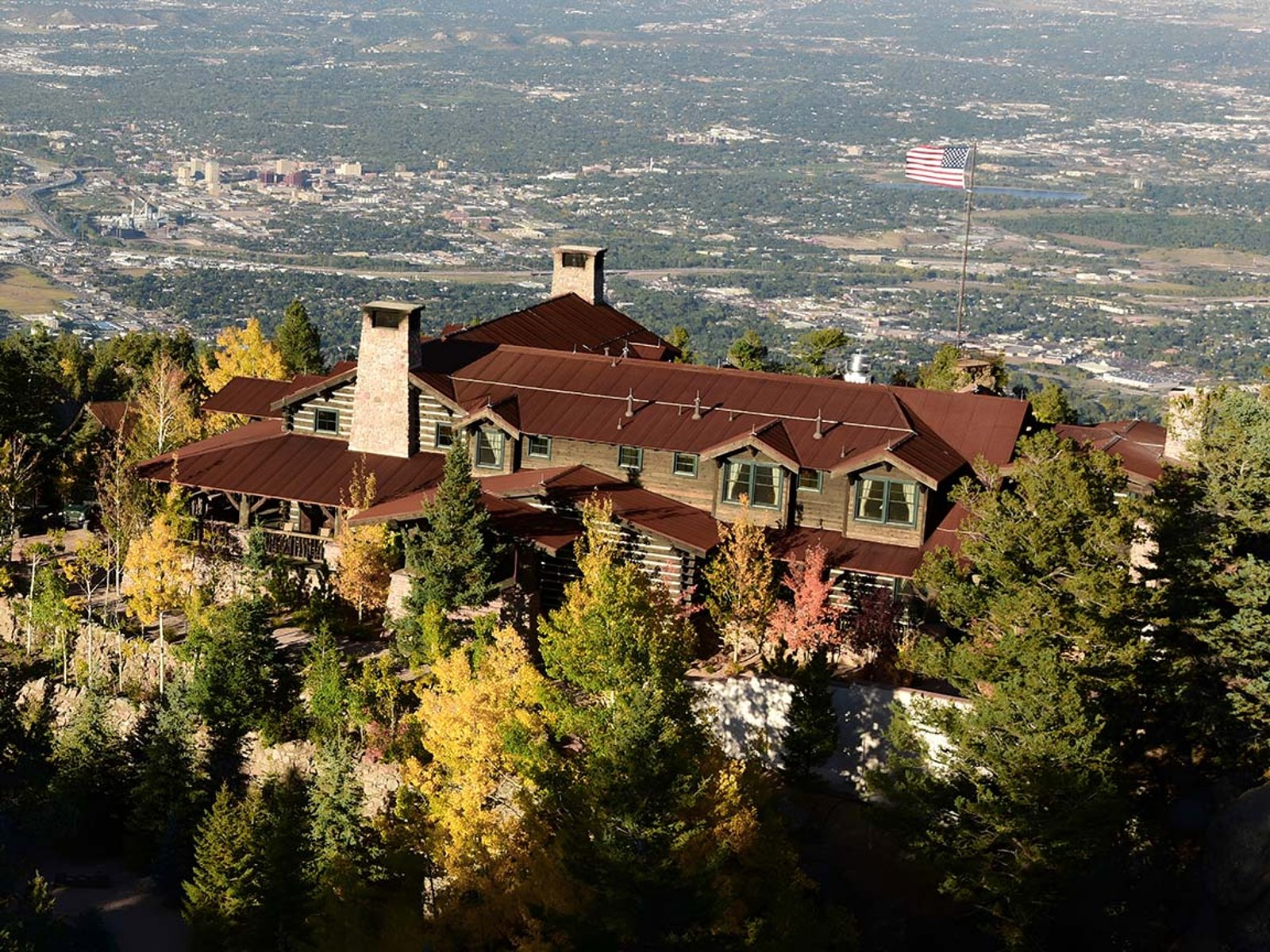
Much of Southern California, including large parts of Ventura County, Malibu, the Santa Monica Mountains and the foothill communities of Los Angeles, falls within a Wildland-Urban Interface (WUI) area or a designated Fire Hazard Severity Zone. New construction and many remodels in these areas must meet the ignition-resistant construction requirements in Chapter 7A of the California Building Code, and the matching section of the California Residential Code.
For contractors, that means windows and doors are a code item, not just a design choice. Getting them right up front avoids failed inspections and expensive replacements.
Windows and glazing in WUI areas
Under Chapter 7A, exterior windows and glazed doors generally need to meet one of these options:
- Multipane glazing with at least one tempered pane.
- Glass block units.
- A fire-resistance rating of at least 20 minutes.
- Testing to the State Fire Marshal’s standard for exterior windows.
For most residential projects, dual-pane glass with at least one tempered pane is the simplest path, and it’s widely available across the brands we carry. It’s worth confirming the glass makeup on every opening in the quote, not just the large ones.

Exterior doors and 20-minute fire-rated doors
Exterior doors in WUI areas generally need to be made of noncombustible or ignition-resistant material, be solid-core wood meeting minimum thickness requirements, carry a 20-minute fire rating, or be tested to the State Fire Marshal’s standard for exterior doors. Any glass in the door must meet the same rules as windows. For garages and other attached spaces, check whether additional fire-rated door requirements apply between the garage and the house.
How Title 24 fits in
Fire-zone rules are separate from California’s Title 24 energy standards, but your windows and doors have to satisfy both. Title 24 sets energy performance targets for glazing, usually expressed as U-factor and solar heat gain, and the exact values depend on your climate zone, compliance path and the current code cycle. Your energy consultant’s documents will show what the project needs. Send them with your plans so we can quote glass packages that meet both the energy and fire requirements.
How to avoid problems at inspection
- Confirm the zone early: check the parcel’s fire hazard designation before you price the job.
- Tell us up front: when you send plans, note that the project is in a WUI area so every product is quoted to meet it.
- Keep the paperwork: ask for product data and labels showing compliance. Inspectors may want to see them, so leave labels on until the inspection.
- Check local amendments: some cities and counties add their own requirements on top of the state code.
- Don’t forget skylights and vents: Chapter 7A covers more than windows, so coordinate the whole envelope.
Rebuilding after a fire
Many of our contractors are rebuilding homes in fire-affected areas. These projects usually move on tight timelines, with clients who want to get home as soon as possible. Getting the window and door package quoted early, with fire-zone requirements already built in, is one of the best ways to keep a rebuild on schedule.
This article is a general overview, not code or legal advice. Requirements change between code cycles and vary by jurisdiction, so always confirm with the local building department and your design team.