
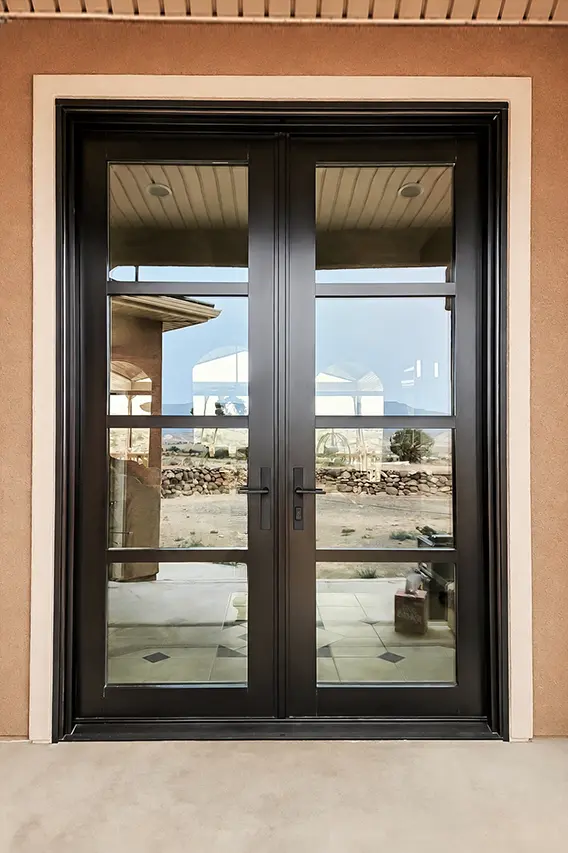
On most residential builds, windows and doors are among the longest-lead items on the schedule. Custom sizes, specialty finishes and large door systems are made to order, and a late order can hold up dry-in, framing inspections and every trade that follows. Planning around window lead times is one of the simplest ways to protect your schedule.
What drives window and door lead times
- Manufacturer and product line: standard products move faster than fully custom units.
- Size and configuration: oversized multi-slides, pivot doors and steel units typically take longer.
- Finish and glass: custom colors, specialty glass and coastal finishes can add time.
- Season and demand: manufacturer backlogs rise and fall through the year, and rebuilding after wildfires can increase demand regionally.
How to stay ahead of the schedule
- Quote early: get pricing during design, not after framing starts. A fast takeoff makes this easy.
- Lock the details before approval: confirm sizes, operation, handing, glass and finishes. Changes after ordering cost time and money.
- Measure on time: on-site measurement is part of our process once your quote is sent, so rough openings and final sizes line up.
- Order the longest items first: if the package mixes products, release the steel or large doors as early as possible.
- Build in a buffer: manufacturers sometimes revise ship dates. Leave a little room for the longest items.

Planning jobsite delivery
A smooth delivery day matters as much as the ship date. Large glass panels and steel doors need the right equipment and enough hands to move them safely.
- Site access: confirm the truck can reach the site and where it can unload, especially on hillside and narrow streets.
- Staging: have a clean, flat, protected area ready to store units until they’re installed.
- Crew: schedule enough people, and equipment where needed, for heavy panels.
- Inspection on arrival: check units against the order and note any damage before the driver leaves.
Tracking every order
Pro members can follow every order in the Lume Pro Portal, from production to shipping, with monthly email updates and alerts when a manufacturer changes a date. You hear about a delay early enough to adjust the schedule, instead of finding out when the truck doesn’t show.